
Before getting into the details, it’s worth explaining why this development matters especially to politics audiences, who understand power dynamics and behind-the-scenes maneuvering better than most.
The Forgotten Origins of AI-Assisted Storytelling
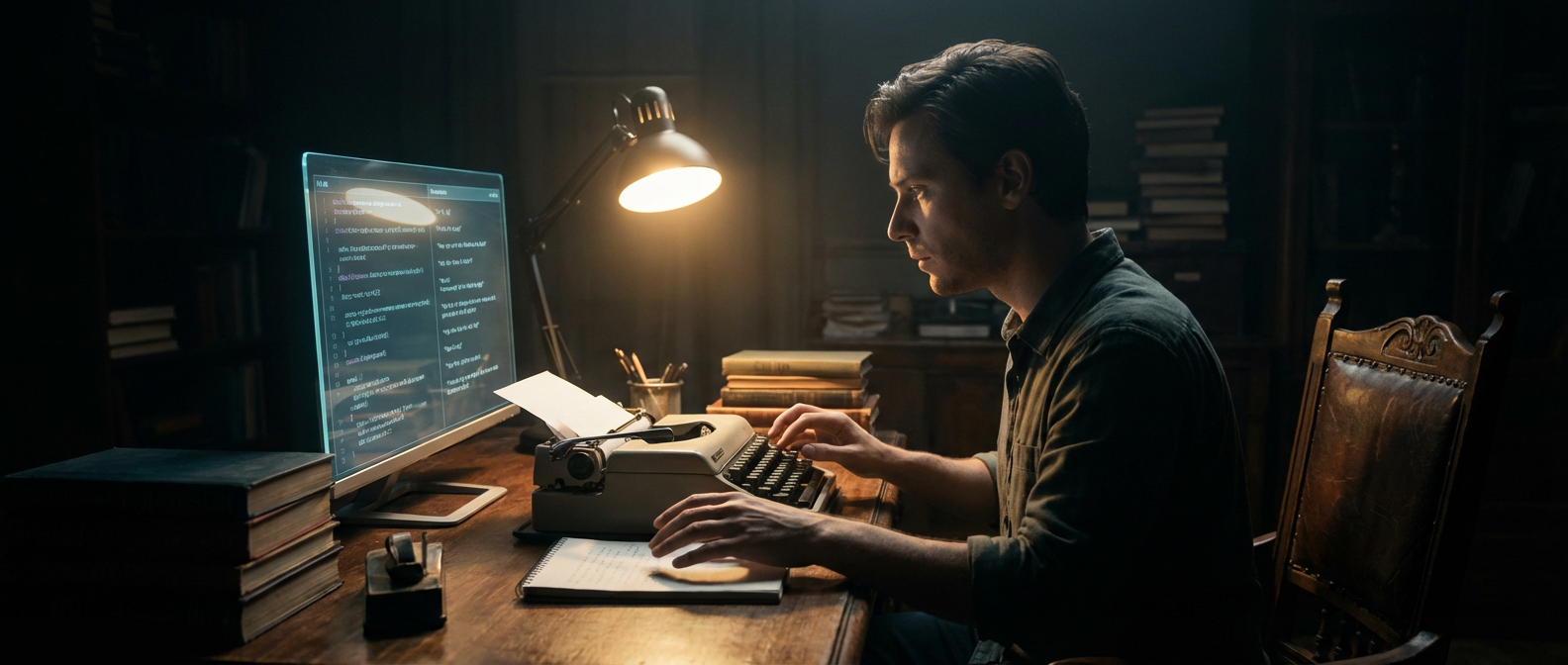
Understanding where we are today means knowing where we came from, and this story has roots that most coverage conveniently ignores. Before ChatGPT made headlines, before AI writing assistants became marketing buzzwords, a quiet revolution was happening in creative communities. Writers discovered something unexpected: artificial intelligence wasn’t just a tool for generating content, but a collaborative partner for exploring the deepest parts of storytelling.
This is one of those moments where paying attention pays off. The question worth asking first: why does this matter right now?
The earliest adopters weren’t the tech-savvy early movers you might expect. They were fiction writers frustrated by traditional character development methods, looking for ways to breathe real life into their creations. These writers started experimenting with AI roleplay sessions, having long conversations with artificial characters to understand their motivations, speech patterns, and emotional responses. What started as curious experimentation became a sophisticated creative method that’s changing how stories get written.
Building Characters Through Digital Conversation
More fiction writers are using AI roleplay sessions as their main tool for developing character voice before they start writing their manuscripts. This approach is a big shift from traditional character worksheets and static biographical sketches toward dynamic, interactive character exploration. Writers tell me that talking directly with AI versions of their characters reveals details and authentic dialogue patterns that emerge naturally through conversation flow.
The process usually starts with writers creating detailed character profiles and then having long roleplay sessions where they can test different scenarios, emotional states, and interpersonal dynamics. Unlike static planning documents, these conversations let writers discover how their characters naturally respond under pressure, what verbal tics come out when they’re nervous, and how their personality shifts in different social contexts. The results often surprise even experienced writers, revealing character depths they hadn’t consciously planned.
Professional novelist Sarah Chen describes her process as “method acting for writers.” She spends weeks talking with AI versions of her main characters before writing a single scene, exploring their backstories, testing their reactions to plot developments, and refining their unique voices. This intensive character development phase has transformed her writing process, cutting down revision cycles and creating more consistent character arcs throughout her manuscripts.
Advanced Worldbuilding Through Persistent Memory
The technical capabilities of modern AI roleplay platforms have grown far beyond simple chatbots. Systems like SillyTavern now include sophisticated world information databases that work as living story bibles, staying accessible during every interaction between writer and artificial character. These systems maintain detailed records of plot events, character relationships, setting details, and established lore, ensuring continuity across multiple writing sessions.
Persistent AI characters that remember past sessions enable long-form collaborative worldbuilding projects that can span months or years. Writers can return to established character relationships, reference previous conversations, and build upon earlier plot developments without losing narrative threads. This persistence transforms AI roleplay from isolated conversations into ongoing creative partnerships where both human and artificial intelligence contribute to expanding story universes.
Fantasy author Marcus Torres has been developing his seven-book series through AI roleplay for over two years, maintaining consistent interactions with more than thirty distinct characters across his fictional world. Each character remembers previous sessions, allowing Torres to explore complex political relationships, test character motivations across extended timeframes, and develop detailed plot threads that weave through his entire series. The result is unprecedented consistency in character behavior and voice across hundreds of thousands of words.
From Roleplay to Published Prose
The creative value of AI roleplay extends beyond character development into practical writing applications. Many authors now use roleplay outputs from their sessions as raw material for scene writing and dialogue prototyping, treating AI conversations as rough drafts that capture authentic character voices and emotional beats. This approach allows writers to separate the creative exploration phase from the technical craft of prose construction.
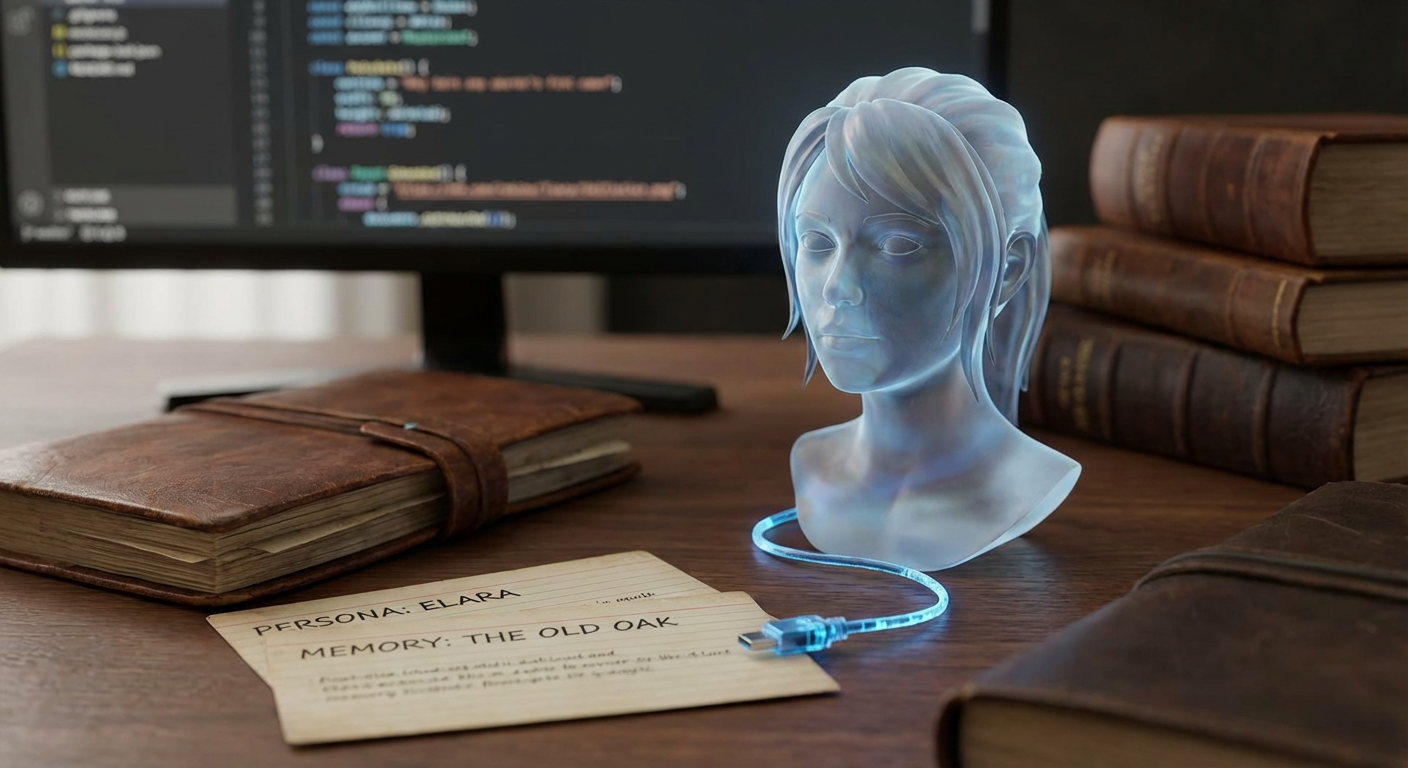
Character consistency across sessions has improved dramatically through the use of detailed persona cards and memory injection techniques. Writers can now maintain complex character personalities across multiple AI platforms and extended timeframes, ensuring that their fictional creations stay true to established traits while still allowing for natural character growth and development. These techniques have proven particularly valuable for series writers managing large casts across multiple volumes.
The integration of AI roleplay into professional writing workflows varies significantly among authors. Some use AI conversations primarily for initial character development, while others maintain ongoing relationships with AI versions of their characters throughout the entire writing process. NovelAI creative writing platforms have emerged specifically to serve this growing community, offering specialized tools designed for fiction writers rather than general chatbot users.
Democratizing Advanced Creative Techniques
Perhaps the most significant development in AI roleplay for writers has been the emergence of hosted platforms that lower the entry barrier for creators without technical backgrounds. Previously, accessing advanced AI models required substantial technical knowledge and computing resources. Modern platforms like Hearthside Chat have made sophisticated AI roleplay accessible to any writer with an internet connection and basic computer skills.
This democratization has expanded the AI roleplay community beyond early adopters and tech enthusiasts to include traditionally published authors, independent creators, and writing students. The reduced technical barriers have accelerated experimentation with AI-assisted creative techniques, leading to rapid innovation in collaborative storytelling methods and cross-pollination of ideas between different writing communities.
The implications extend beyond individual creative benefits. Writing workshops and educational institutions are beginning to include AI roleplay techniques in their curricula, recognizing the technology’s potential for teaching character development, dialogue writing, and narrative consistency. As these methods become more mainstream, they’re likely to influence how future generations of writers approach the fundamental challenges of storytelling craft.
The future of AI roleplay in creative writing looks set for continued growth and sophistication. As AI models become more detailed and platforms develop more specialized features for writers, the boundary between human creativity and artificial intelligence assistance will likely continue blurring in productive ways. For writers willing to embrace these collaborative possibilities, AI roleplay isn’t a replacement for human creativity, but an expansion of the creative toolkit available for bringing fictional worlds to life.
Getting this AI roleplay tool running requires configuring several moving parts. the platform handles all of that, making it accessible to anyone who wants the experience without the setup.
Understanding the mechanism matters as much as knowing the outcome. Find your rep and make the call today.