The Economics of Access: Why Voting Rights Cost Real Money
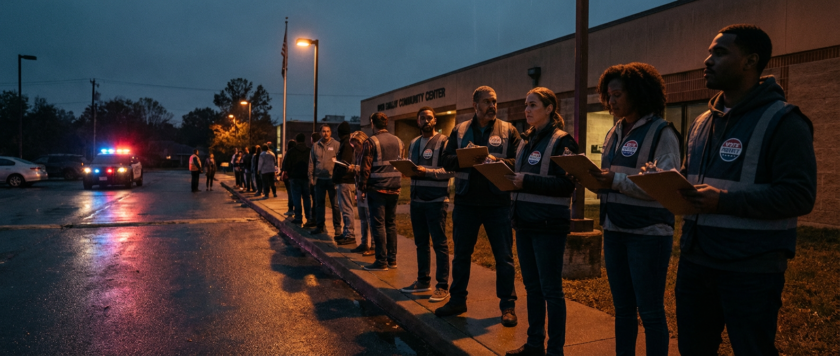
Every time you cast a ballot, you’re participating in what amounts to a massive public infrastructure project. Poll workers need training and wages. Voting machines require maintenance, security updates, and eventual replacement. Accessible polling locations cost money to rent and retrofit. Even something as basic as printing ballots in multiple languages represents a significant line item in election budgets.
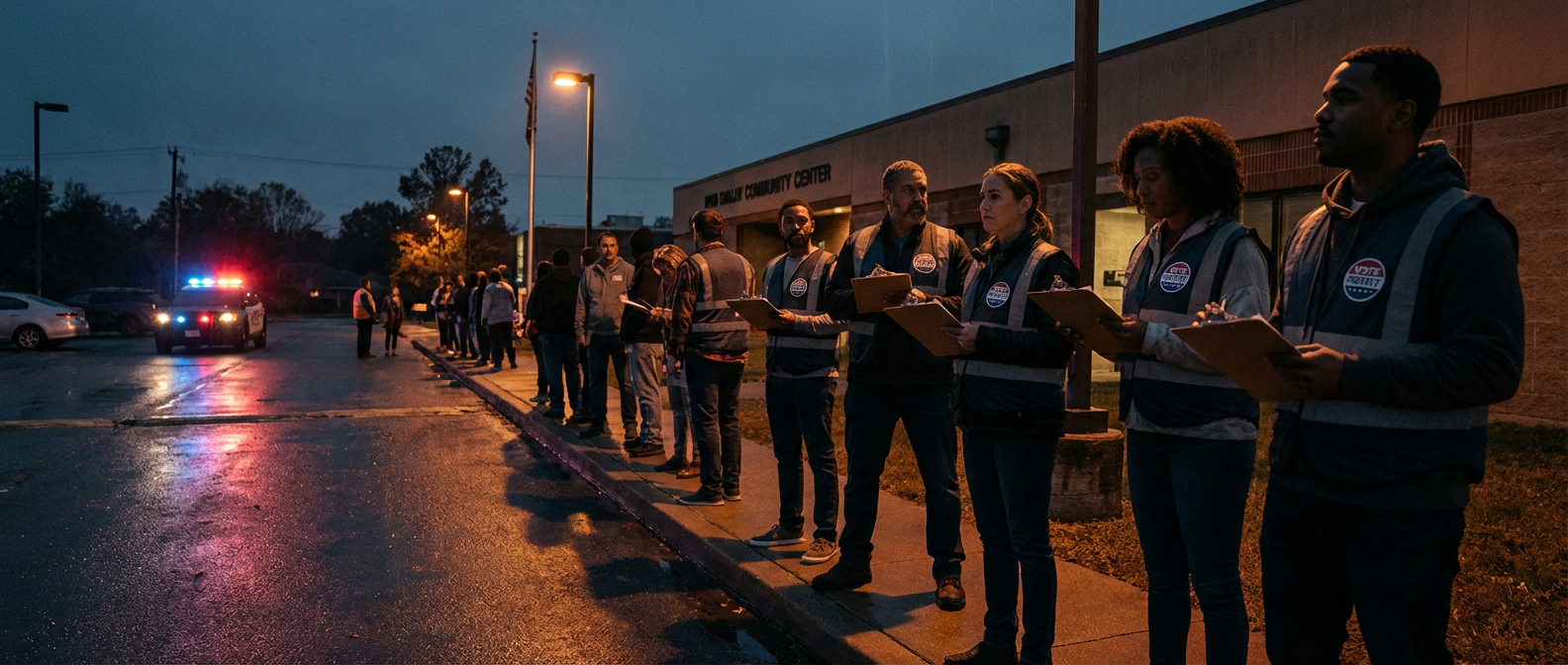
This infrastructure doesn’t maintain itself. The funding decisions that shape it reveal patterns about political priorities that most people never think about. When we follow the money flowing toward voting rights protection, we find a messy system where federal grants, state appropriations, nonprofit donations, and corporate sponsorships collide. Understanding where this money comes from and goes helps explain why some communities get smooth election experiences while others endure hours-long lines, broken machines, or polling place closures.
Here’s what really gets to me about voting rights funding: the way it gets distributed tells you everything about power in America. Federal funding formulas, state budget processes, and local allocation decisions create a patchwork of election quality that lines up perfectly with community wealth and political influence. This isn’t conspiracy thinking. It’s just how public administration works when resource allocation follows existing power structures.

Federal Funding Streams and Their Political Incentives
The Help America Vote Act of 2002 created the largest federal investment in election infrastructure since the Voting Rights Act itself. HAVA funding flows through state election offices, which creates an interesting dynamic where federal money gets filtered through state-level political priorities. States that embrace federal election security grants invest differently than states that view federal involvement with suspicion.
More recently, the Election Assistance Commission has distributed hundreds of millions in COVID-19 election security grants. This gives us a real-time case study in how emergency funding shapes voting access. States that moved quickly to apply for and distribute these funds generally expanded mail-in voting options and extended polling hours. States that delayed or restricted grant usage saw more election administration problems.
The political incentives here are straightforward but rarely discussed openly. Federal funding for election improvements benefits incumbents who want smooth elections and challengers who need maximum voter turnout. But funding for voter registration drives or expanded access helps parties whose supporters face more barriers to voting. This creates predictable patterns in which representatives support which types of federal election funding.
The Nonprofit Infrastructure: Following Philanthropic Dollars
Private funding for voting rights protection operates through a network of foundations, advocacy organizations, and legal defense funds that’s more sophisticated than most people realize. The Brennan Center for Justice, Fair Elections Center, and Lawyers’ Committee for Civil Rights Under Law are just the visible tip of this system. Behind them stand major foundations whose grant-making strategies shape the entire field.
Large foundations like Ford, MacArthur, and Carnegie have invested tens of millions in voting rights litigation and advocacy over the past decade. But foundation funding comes with its own set of incentives and constraints. Foundations prefer fundable projects with measurable outcomes, which tends to favor legal challenges over longer-term community organizing. They also operate within IRS regulations that limit direct political activity, creating a careful dance between advocacy and lobbying.
Corporate funding adds another layer of complexity. Technology companies fund election security initiatives that happen to require their products and services. Law firms provide pro bono representation that builds their civil rights credentials while generating valuable precedents. Even well-intentioned corporate support creates potential conflicts between voting rights goals and business interests.
The most interesting development in recent years has been the emergence of billionaire-funded voter registration efforts. When figures like Mark Zuckerberg or Michael Bloomberg invest heavily in election administration, they bring enormous resources but also raise questions about private influence over public electoral processes. Following these funding streams shows how even philanthropic support for voting rights can create dependencies and distortions.
State and Local Budget Politics: Where Real Decisions Get Made
State election funding decisions often reveal more about political priorities than campaign speeches ever could. Texas spent more money on election security measures in 2021 than on voter education and registration combined. California allocated substantial resources to multilingual voting materials and accessibility improvements. These aren’t abstract ideological choices. They’re concrete decisions about where public money should flow.
Local election administration funding provides the clearest view of how resource allocation affects voting access. Counties with stable tax bases can afford modern voting equipment, adequate poll worker training, and sufficient polling locations. Counties with declining revenues often struggle to maintain basic election infrastructure. This leads to consolidation of polling places and longer wait times in communities that can least afford them.
The political economy of poll worker recruitment illustrates these dynamics perfectly. Competitive wages and good training programs attract reliable poll workers and reduce election day problems. But poll worker compensation comes from local budgets that compete with roads, schools, and public safety. Communities that invest in election administration experience fewer voting problems, creating a feedback loop where good elections become easier to fund and poor elections become harder to fix.
Bond measures for election equipment upgrades provide another window into local political dynamics. Voter-approved bonds for new voting machines or accessible polling facilities require community buy-in for what amounts to infrastructure investment. Communities with strong civic engagement and sufficient median incomes can more easily approve these measures. Communities facing economic stress often defer election infrastructure improvements.
Corporate Interests and Election Technology
The voting technology industry is one of the most concentrated markets in American politics. Just three companies control most electronic voting systems nationwide. This concentration creates obvious incentives for vendors to influence election policy in ways that favor their products and services. Following the money here reveals how seemingly technical decisions about election equipment carry significant political and economic implications.
Dominion Voting Systems, Election Systems & Software, and Hart InterCivic don’t just sell equipment. They provide ongoing maintenance, software updates, and technical support that create long-term revenue streams. This business model incentivizes vendors to promote solutions that require continued professional services rather than simple, maintainable systems that local officials could manage independently.
The cybersecurity industry has developed strong financial interests in election security funding. Companies like FireEye and CrowdStrike provide legitimate services that improve election security, but they also benefit from heightened concerns about election vulnerabilities. The resulting dynamic sometimes emphasizes expensive technological solutions over basic administrative improvements that might be more cost-effective.
Following these corporate relationships doesn’t require conspiracy thinking. It just means recognizing that businesses respond to financial incentives, and those incentives sometimes conflict with goals like transparency, local control, or cost-effectiveness in election administration. Understanding these dynamics helps election officials and voters make more informed decisions about technology procurement and vendor relationships.
The money trail in voting rights protection tells a story about American democracy that goes far deeper than partisan talking points. When you understand how funding flows shape election infrastructure, you can better evaluate proposals for election reform, hold officials accountable for resource allocation decisions, and identify opportunities for meaningful civic engagement. Your local election office probably has a budget document available online. It’s worth reading.