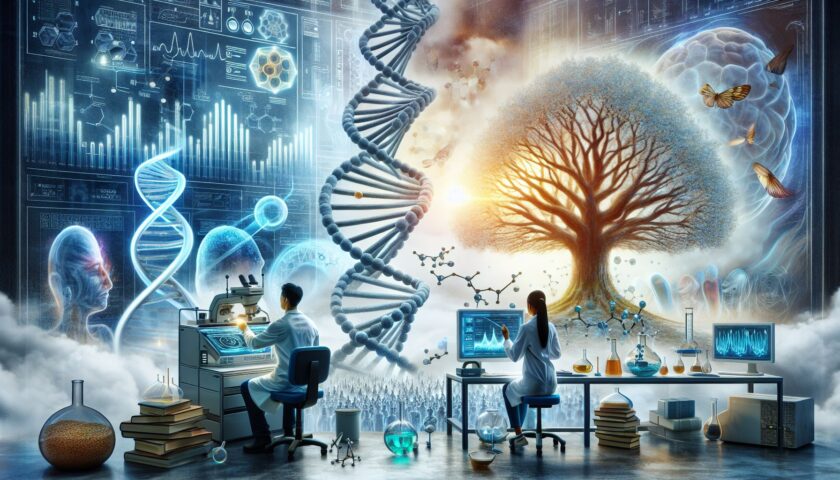
Introduction: A New Age of Longevity
Welcome to the future of longevity science, where living well beyond our typical lifespan isn’t just science fiction anymore. Every day brings new developments that could genuinely extend human life, and we might actually see a world where hitting 100 becomes pretty normal instead of remarkable. We’re watching health science, biotech, and genetics all come together in what feels like humanity’s oldest dream: beating death, or at least aging gracefully for a lot longer.
Today I want to dig into what longevity science is actually promising us. We’re talking CRISPR gene editing, anti-aging drugs, and a whole bunch of other discoveries that have both tech people and health enthusiasts pretty excited. Let’s look at how these technologies might actually double our lifespans and fight aging with tools that honestly do sound like they’re straight out of a sci-fi movie.
The Genetics of Longevity: Editing the Blueprint of Life
CRISPR and Genetic Modification: A New Frontier
CRISPR-Cas9 is probably the most exciting thing happening in longevity research right now. This gene-editing tool has made genetic changes way more accessible and precise than anyone thought possible just a few years ago. The idea that we could target and change specific parts of human DNA is pretty mind-blowing. But here’s the kicker: we’re not just talking about fixing diseases anymore. We might be able to actually slow down or reverse aging itself.
Scientists are studying genes like FOXO3 and SIRT1 that seem connected to how long people live and how healthy they stay. Researchers are working to figure out whether tweaking these genes with CRISPR could boost how well our cells repair themselves, prevent age-related diseases, and give us longer, healthier lives.
Epigenetics: Turning Genes On and Off
Gene editing isn’t the whole story though. Epigenetics adds another fascinating layer to longevity research. This field looks at how our lifestyle choices like diet, exercise, and environment can turn genes on or off without actually changing our DNA. There’s this concept called the “epigenetic clock” that suggests we might slow aging by controlling these external factors.
Companies are seriously investing in this stuff. Calico, which is owned by Google’s parent company Alphabet, and biotech company Gero are both working hard on treatments that could reset or slow down this epigenetic aging process.
Feeding Longevity: Biohacking Your Way to a Longer Life
The Ketogenic Mindset: More Than Just a Diet
Silicon Valley biohackers and longevity fans have really latched onto the ketogenic diet. It’s low-carb, high in healthy fats, and supposedly does more than just help you lose weight. The theory is that ketones, which your body makes when it burns fat for energy, improve how your mitochondria work, boost brain function, and trigger anti-aging processes.
Fasting is getting similar attention. Whether it’s intermittent fasting or just eating during certain hours, research in animals shows it might help you live longer. Human studies are still catching up, but the idea is that fasting tricks your genes into repair mode, similar to what happens during actual calorie restriction.
Supplements: The Pillars of Anti-Aging?
You’ve probably heard about supplements like resveratrol, NAD+ boosters (NMN and NR), and spermidine becoming really popular lately. People are claiming these compounds can fight aging at the cellular level, helping with DNA repair and keeping your genes stable.
Honestly, we won’t know for sure how well these work until we have long-term studies that follow people for decades. But their popularity shows how people are shifting toward trying to prevent aging instead of just treating it after the fact. These supplements represent this almost utopian hope that we can outsmart aging.
Robotics and AI: Your Future Health Guides
Automated Health and Wearable Tech
With chronic diseases becoming more common, AI health assistants and robotic diagnostics are changing how we think about personalized medicine. Add in all the wearable tech like smartwatches, fitness trackers, and even smart clothing, and we’re getting a completely new approach to monitoring health and making informed choices about our lives.
These devices do way more than count steps and track heart rate now. They use AI to give you actual insights about blood oxygen, sleep quality, stress levels, and provide real-time feedback about how your lifestyle changes might affect how long you live.
AI in Drug Development: The Faster Path to Anti-Aging Solutions
AI and machine learning are cutting through the usual bureaucratic mess and long timelines in drug development. By running simulations of billions of molecular interactions, AI can speed up finding new compounds that might fight aging. Companies like Insilico Medicine and DeepMind’s AlphaFold are using AI to map proteins and predict their structures, which directly impacts fields like pharmacogenomics.
Conclusion: A Brave New World of Longevity
As we get closer to potentially redefining human lifespan, longevity technology reflects this deep human desire for more meaningful years. The path to much longer lives comes with both incredible scientific potential and some serious ethical questions. How these advances work with global equity, ethical standards, and legal frameworks will really shape what happens next.
We’re living through this intersection of hope and reality right now. Major breakthroughs in genomics, nutrition science, AI, and bioengineering suggest we might not just delay aging, but actually give people much longer periods of good health. This challenges the basic assumption that death is inevitable. Like any big technological promise though, we need to be careful, responsible, and balanced as we navigate these exciting but uncharted waters.
Thanks for exploring longevity science with me today. I’d love to hear your thoughts and any futuristic ideas you have in the comments. Remember: today we dream, tomorrow we might actually make it happen!